How to Refresh Your Everyday Style Without Buying a Whole New Wardrobe
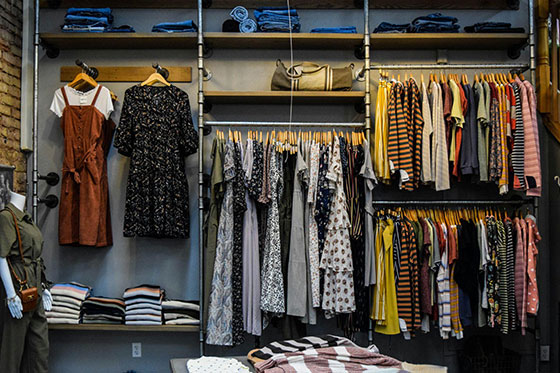
A lot of people assume updating their personal style requires an entirely new wardrobe. Social media trends, seasonal collections, and constant fashion marketing often create the impression that staying stylish means replacing clothes every few months. In reality, most people do not need a dramatic closet overhaul to make their outfits feel more current, intentional, or interesting again.
Small changes often have a much bigger visual impact than people expect. The way clothing is layered, accessorised, styled, or combined can completely shift how familiar outfits feel day to day. Refreshing personal style usually comes less from buying more items and more from making smarter use of what already exists inside the wardrobe.
This shift toward practical styling has become increasingly common as consumers pay closer attention to quality, versatility, and long-term wearability rather than constantly chasing fast-moving trends. People increasingly want clothing and accessories that feel personal, comfortable, and adaptable instead of disposable.
Texture Can Make Familiar Outfits Feel New Again
One of the easiest ways to refresh everyday style is by introducing different textures into existing outfits. Texture changes visual depth immediately without requiring dramatic color changes or trend-focused pieces.
Chunky knits, lightweight layering fabrics, woven accessories, and textured outerwear often make simple outfits appear more intentional. Even neutral wardrobes tend to feel richer when multiple textures work together naturally.
Classic knitwear continues remaining popular because it adds warmth and structure without feeling overly formal. Pieces from https://www.aran.com/ are often incorporated into casual wardrobes because textured knit layers pair easily with denim, basics, tailored pieces, and transitional seasonal outfits without requiring a complete style reset.
Accessories Usually Create the Biggest Visual Change
Many people underestimate how strongly accessories influence overall appearance. A wardrobe filled with basics can still feel stylish when accessories create variety and personality throughout different outfits.
Shoes, jewelry, bags, scarves, watches, sunglasses, and small seasonal accents often determine whether clothing feels repetitive or refreshed. Accessories also allow people to experiment with trends without completely rebuilding their wardrobes around temporary styles.
Phone accessories have become part of personal styling as well, especially because they are constantly visible throughout daily life. Choosing a phone case for the spring season is one example of how smaller seasonal details can subtly update an everyday look without requiring major purchases or dramatic fashion changes.
Color Adjustments Often Matter More Than New Clothing
Many wardrobes become visually repetitive not because the clothing is outdated, but because people continue styling the same color combinations repeatedly. Introducing even small color shifts can make existing pieces feel completely different.
Seasonal color changes tend to work best when they remain subtle. Softer neutrals, warmer earth tones, muted greens, pale blues, or lighter layering pieces can refresh outfits naturally without making them feel disconnected from the rest of the wardrobe.
This is also why many stylists recommend building wardrobes around adaptable base colors first. Once neutral foundations exist, smaller accent changes can create variety much more affordably than replacing large portions of clothing each season.
Fit and Tailoring Influence Style More Than Trends
People often focus heavily on buying new clothes while overlooking how existing clothes actually fit. Even expensive clothing may appear less polished if proportions feel awkward or inconsistent.
Small tailoring adjustments frequently improve outfits more than purchasing entirely new items. Hem lengths, sleeve proportions, waist adjustments, and layering balance all affect how intentional clothing appears overall.
This is especially important because modern style has become more individualized. Instead of following rigid trend rules, many people now prioritize clothing that feels flattering, practical, and comfortable within their actual daily routines.
Layering Creates More Outfit Variety
Layering is one of the most effective ways to create new combinations from existing wardrobes. Lightweight jackets, textured sweaters, structured overshirts, scarves, and transitional outerwear can dramatically change how familiar pieces look together.
The benefit of layering is flexibility. A smaller wardrobe often feels much larger when individual items work across multiple combinations throughout different seasons.
Layering also helps people adapt to changing temperatures more comfortably without sacrificing personal style. Practicality increasingly plays a larger role in fashion decisions because consumers want wardrobes that support real-life routines rather than occasional appearances alone.
Personal Style Is Moving Away From Constant Trend Cycling
Fashion trends still influence retail heavily, but many consumers are becoming less interested in constantly rebuilding wardrobes around short-term aesthetics. Sustainability concerns, rising clothing costs, and growing frustration with fast fashion quality have all contributed to this shift.
According to the Ellen MacArthur Foundation, extending clothing use and improving long-term wearability play an important role in reducing fashion waste. As a result, many shoppers are focusing more on versatile styling and quality investment pieces rather than disposable seasonal buying habits.
This change has also made personal styling feel more flexible. People are increasingly comfortable mixing older staples with newer accessories instead of trying to maintain completely trend-driven wardrobes year-round.
Small Styling Changes Often Feel More Authentic
Completely reinventing personal style overnight can sometimes feel unnatural because it disconnects from how people actually live day to day. Smaller adjustments often feel more sustainable and wearable long term.
Refreshing a wardrobe may involve changing silhouettes gradually, experimenting with layering combinations, introducing new textures, or adding a few seasonal accessories rather than replacing entire categories of clothing. These changes tend to integrate more naturally into existing routines.
This approach also reduces the pressure many people feel around fashion. Style becomes less about constant consumption and more about understanding how to make existing clothing feel more expressive, comfortable, and intentional over time.
The Most Stylish Wardrobes Usually Feel Effortless
People with consistently strong personal style often repeat core pieces regularly. The difference is usually in how they combine, accessorize, and adapt those pieces instead of constantly buying entirely new outfits.
A wardrobe that feels cohesive, comfortable, and versatile typically creates more long-term satisfaction than one built entirely around temporary trends. Thoughtful layering, balanced proportions, texture variation, and carefully chosen accessories often create more visual impact than quantity alone.
Refreshing personal style does not necessarily require dramatic spending. In many cases, the most effective updates come from learning how to use familiar pieces differently while adding smaller details that make everyday outfits feel slightly more current and personal again.