From video games to horror festivals: what’s happening in Britain’s geek scene today
From video games to horror festivals: what’s happening in Britain’s geek scene today We delve into geeky Britain: video games, comic shops, horror festivals, board games, and podcasts where fans of different generations create their own stories
The British geek scene has long since evolved beyond the stereotype of teenagers with joysticks. Today, it’s a vibrant community of people of all ages, gathering in online chats, at festivals, independent cinemas, and gaming bars. Here, people discuss new indie games and old Japanese action films, debate superhero releases, and watch late-night horror marathons. It’s easy to find an office analyst, a student, and a history teacher in the same space—all united by a love of vibrant worlds and unusual stories.
The scene has become more diverse and open. While ten years ago its heart beat in a few large comic book stores and the occasional convention, geek life is now spread across dozens of smaller, local events, many of which receive support from online platforms that partner with meetups, tournaments, and theme nights—including BassWin. Video game nights, board games, film screenings with discussions, and podcast recordings in front of an audience—all of this is shaping a new image of the British geek: not a loner in his room, but a member of a large, noisy, and highly creative community.
Game Nights and the Indie Scene
Video games remain the foundation of geek culture. Gaming bars and spaces have sprung up in major UK cities, where you can grab a drink, choose a console or board game, and spend an evening with friends. These spaces actively support indie developers: they host screenings of unreleased projects, organize meetups with teams, and gather feedback from players. Posters of favorite series hang on the walls, and screens display both new hits and classics from the 8- and 16-bit eras.
A separate layer is online communities around small studios. Players participate in closed tests, discuss balance, come up with character names, and share fan art. This creates the feeling that a game is not just a product but also a collaborative project. Many British geeks appreciate stories like these: they enjoy watching a team of three bring their dream step by step to release.
“I go to indie nights at a local bar once a month,” shares Lina from Liverpool. “There you can meet the developers, try out the game early on, and then watch it gradually evolve. You feel like you’re part of the process, not just a consumer.”
Comic Shops and Board Game Clubs
Comic shops in Britain have long been more than just retail outlets. They are small cultural centers that host author signings, tabletop role-playing game evenings, mini-lectures on comic book history, and themed days. On weekends, entire families flock here: parents choose graphic novels, children choose superhero collections, and teenagers sit down at tables with card and board games.
Tabletop role-playing game clubs play a special role. An evening at such a club is a collaborative process of creating a world, characters, and plot, where each participant gets the opportunity to express their imagination. For many, it’s a way to take a break from the screen, but not from their favorite genres: fantasy, science fiction, and horror are moving from the monitor to face-to-face interaction. It’s often here that new friendships are formed, which then travel together to festivals and conventions.
Festivals and Conventions
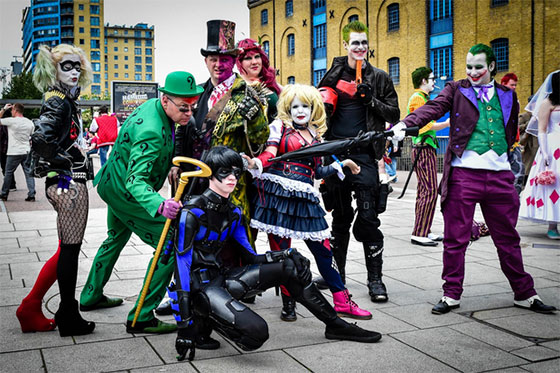
The British geek scene calendar is booked well in advance. Large conventions with thousands of attendees take place in the spring and fall, street festivals in parks and on embankments in the summer, and more intimate events at independent cinemas in the winter. At these gatherings, you can see everything: comic book publisher booths, game presentations, panels with actors and directors, areas for board games and cosplay.
Cosplay holds a special place. Many participants spend months preparing their costumes, thinking through not only their clothes but also their character’s appearance, their manner of speech, and even short skits for the competition. For some, it’s a way of creative self-expression; for others, it’s a chance to become the hero of their favorite story for a day and see how people react to a familiar image in real life.
“I spent six months creating a costume of a villain from an old comic,” says Owen from Cardiff. “At conventions, people would come up to me and recognize it, and we’d instantly start discussing old issues. It’s moments like that that make you realize you’re not alone in this hobby.”
Horror Festivals and Night Screenings
Horror festivals are a particular highlight of the British film scene. Independent cinemas and cultural centers host all-night horror marathons, indie film screenings, and meetings with directors and screenwriters. The program at these festivals typically combines new releases, classics, and experimental shorts. Audiences arrive early, take their seats, discuss jump scares, and share their top 10 films that “definitely won’t let you sleep.”
Interestingly, at these festivals, horror films become the basis for serious discussions. After screenings, audiences stay for discussions about the social themes hidden in the stories, debating how horror reflects society’s fears and which techniques work best. For many, it’s a chance to feel like their favorite genre is being taken seriously, not as light entertainment.
- Night-night marathons of several films in a row.
- Screenings of rare films that haven’t been widely released.
- Open discussions with creators and critics after the screening.
“At last year’s horror festival, I saw a short film made in our city for the first time,” recalls Hannah from Bristol. “After the screening, the director came out to the audience, and the audience gave a standing ovation. It felt like we all had a small part in the birth of a new story.”
Online Media and Podcasts
Online media plays a vital role in the lives of geeks. Small websites and blog platforms publish reviews of games, comics, and films, write about festivals, and give voice to the fans themselves. Authors often go beyond reviews: they share personal experiences, talk about their journey into the hobby, and discuss how pop culture helps them cope with stress or find friends. This format builds trust and the feeling that the text is written not by an abstract critic, but by someone “in the know.”
Podcasts have become another center of attraction. Hosts gather once a week to discuss new releases, share their impressions of conventions, or debate which film best captures the spirit of the original comic. Listeners submit questions, stories from personal experiences, and share photos of their collections. It’s a kind of community club that isn’t tied to a specific city: people from London, Glasgow, small suburbs, and even other countries join the same podcast.
The Geek Scene as a Space of Acceptance
At the center of all this diversity remains a crucial idea: geek culture is a place where you can be yourself. Here, no one is surprised by a huge fantasy character’s cloak, a passion for retro consoles, or a collection of horror movie-themed stuffed animals. At festivals and clubs, people easily meet, find like-minded people, and feel that their interests are shared. For many teenagers and adults, this is especially important: the geek community becomes the first space where their interests are supported, not criticized.
That’s why the British geek scene continues to grow. Video games, comics, horror festivals, board games, and podcasts intertwine to create a living, changing scene. Some come for their favorite character, others out of curiosity, and still others in search of friends. But they remain for one reason: new stories are born here every day, and in one of them there is always room for another hero.