
HorRHIFFic 2026: ‘House of Abraham’ Review
Stars: Natasha Henstridge, Lukas Hassel, Lin Shaye, Gary Clarke, Marval A. Rex, Sean Freeland, William Magnuson, Kelsey Pribilski | Written by Lukas Hassel | Directed by Lisa Belcher
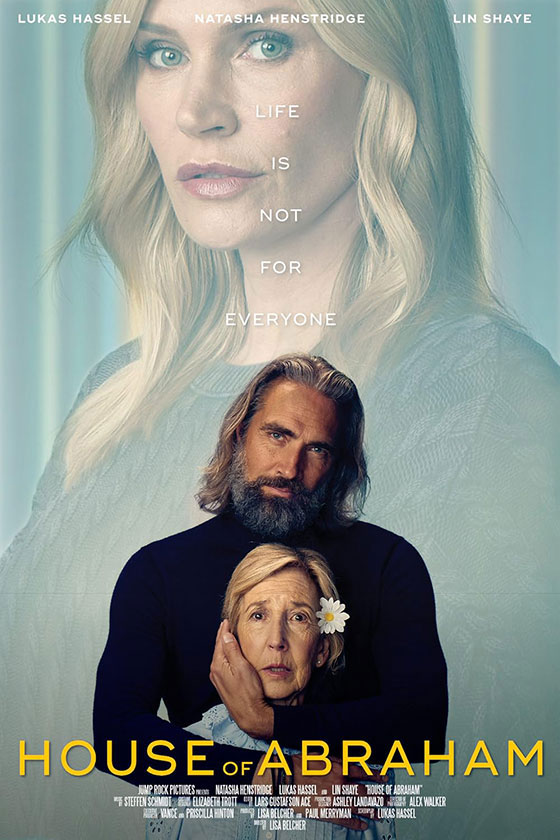
Every so often a horror film comes along that doesn’t want to scare you in the traditional sense. It doesn’t care about jump scares, masked slashers, or demonic nuns in hallways. Instead, it wants to sit you down, pour you a drink, and calmly ask: What if you could choose the moment you die?
That’s the premise of House of Abraham, whose setup is simple but instantly uncomfortable. Dee (Natasha Henstridge), weighed down by trauma and emotional exhaustion, tracks down a mysterious retreat hidden away from the world. The promise? A dignified, carefully orchestrated end. No mess. No pain. Just a structured goodbye overseen by the eerily composed Abraham (Lukas Hassel).
From the moment Dee arrives, the film radiates unease. The house itself is pristine, almost sterile – less haunted mansion, more boutique wellness centre for the terminally disillusioned. There’s a bell to ring when you’re ready. A robe to wear. A recorded consent. A toast. Abraham calmly explains the process with the kind of reassuring tone you’d expect from a life coach… which is precisely what makes him so disturbing.
Henstridge delivers one of her strongest performances in years. Dee feels real: conflicted, angry, vulnerable. You’re never entirely sure if she wants salvation, closure, or simply answers. Meanwhile, Hassel plays Abraham with the kind of soft-spoken charisma that makes cult leaders so terrifying. He doesn’t rant. He doesn’t foam at the mouth. He smiles. And that’s worse.
This isn’t loud horror. It’s quiet, clinical and creepy. Genre fans might initially wonder where this is heading. Is it a cult movie? A psychological thriller? A morality play? The truth is, it sits somewhere in the middle of all three. Think The Invitation stripped of dinner-party theatrics and injected with a philosophical edge. The horror here isn’t what’s under the bed — it’s the calm suggestion that maybe life simply “isn’t for everyone.”
And that’s where House of Abraham gets interesting. It doesn’t sensationalise its subject matter. It doesn’t revel in gore. In fact, the film’s restraint is one of its strongest weapons. The tension comes from conversations, glances, and the oppressive inevitability hanging in the air. You keep waiting for the other shoe to drop, and when it does, it’s not explosive so much as quietly devastating.
That said, the film isn’t flawless. The pacing occasionally drags, particularly in the mid-section, where themes are reiterated a touch too heavily. And seasoned horror viewers may see certain turns coming before the script does. But even when it stumbles, it remains compelling because it dares to tackle something many films wouldn’t touch with a ten-foot crucifix.
House of Abraham isn’t “fun” horror. It’s thinky horror. The kind that leaves you debating intent rather than body counts.And honestly? We need more of that.
***½ 3.5/5
House of Abraham screened as part of this year’s Romford Horror Film Festival.
Thank you for your thoughtful review! Insightful.