The Future of Digital Entertainment and Interactive Gaming
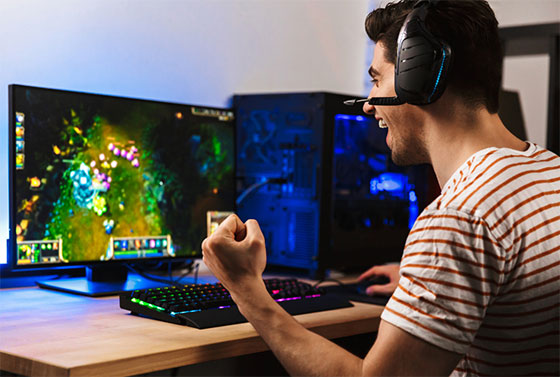
Digital entertainment no longer sits in one box called “games”. It now blends streaming, social chat, live events, and short sessions on the move. A commuter can start a match on a phone, continue on a laptop, then finish on a console. That flexibility changes what creators build and what audiences expect. People also judge entertainment by friction. If a title takes an hour to install, many skip it. If a lobby fills fast and friends join, they stay longer and return sooner.
Casino games as quick-format entertainment
Casino games work because they’re built for quick sessions. A few spins, a short live table round, then back to whatever else is open on the phone. Slots, roulette, and fast games all fit that “small break” rhythm, so the interface matters more than flashy extras. A solid iGaming experience feels tidy and predictable. Rules sit close, stake steps look clear, and switching from slots to live dealers doesn’t turn into a hunt through menus. Keeping it comfortable comes down to basics: set a budget before opening the lobby, stick to one game type for the session, and stop when the limit is reached.
Cloud gaming feels like a subscription, not a download
Cloud gaming turns hardware into a screen and a controller. Xbox Game Pass with Xbox Cloud Gaming, NVIDIA GeForce Now, Amazon Luna, and PlayStation Plus Premium all push this direction. The promise stays simple: tap a title and start, no patches, no waiting. For busy players, that matters more than a shiny trailer.
Cloud play also changes how people try new genres. Someone curious about a strategy game can test it for ten minutes and quit. No sunk cost, no storage cleanup, no awkward refund requests. Before relying on cloud play, a quick setup habit prevents most frustration:
- Check Wi-Fi strength where play usually happens.
- Keep a controller option ready for games that feel clumsy on touch.
- Confirm the same account works across phone, TV, and laptop.
- Pick a plan with a library that matches actual taste, not hype.
Those small checks save time later. They also help families share one subscription without constant support calls.
Spatial computing makes space part of the gameplay
VR and AR add a physical layer that flat screens cannot copy. Beat Saber crossed $255M+ in revenue, which says a lot about repeatable, movement-based play. Gorilla Tag shows another path, with natural motion that feels social even without realism. AR keeps growing too, and Pokémon Go remains the easiest reference for location-based play.
Creators now design for rooms, not just frames. A headset user needs safe movement lanes and readable UI at odd angles. Lighting matters too, since tracking can slip in a dark bedroom. Even small choices, like where a scoreboard sits, can decide comfort after twenty minutes. Spatial entertainment also fits live culture well. Pop-up demos at malls and festivals work because people understand it in seconds. A friend watches, laughs, then tries, then records a clip.
Social co-play turns games into a place to meet
Social features now drive retention as much as content updates. The Social Gaming Market is projected at $35.60B in 2025 and $71.13B by 2030, with 14.85% CAGR. Studios chase that growth with guilds, co-op challenges, and shared progression. Well-built guild systems often link to a 40-60% lifetime value lift, since people stay for the group.
Some markets show the pattern clearly. In Indonesia and Vietnam, session length reportedly tripled after social loops took hold. Peer recognition and group goals push play beyond solo habit. When social design works, it usually includes a few repeatable building blocks:
- Guild chat that stays readable during action.
- Cooperative challenges that reward participation, not only top skill.
- Leaderboards that reset often enough to feel reachable.
- Lightweight invites that work from contacts, QR codes, or links.
These features also help smaller games survive. A tight community can outperform a massive ad budget.
Cross-play and AI make entertainment feel personal
Cross-platform play now matters less as a headline and more as an expectation. Progress syncing across devices saves a session that would otherwise die. It also helps co-play, since friends rarely own the same hardware. The best systems keep the same inventory, settings, and friends list everywhere.
AI-driven personalisation also shifts the experience. Some platforms report around a 30% engagement lift when recommendations react to behavior, not just genres. It works best when it stays transparent. A player should understand why a mode appears on the home screen. Digital entertainment will keep merging formats. The winners will look boring on paper: fast start, stable social circles, and choices that feel easy to reverse.