The new Fable will arrive in 2026: What do we know about the game?
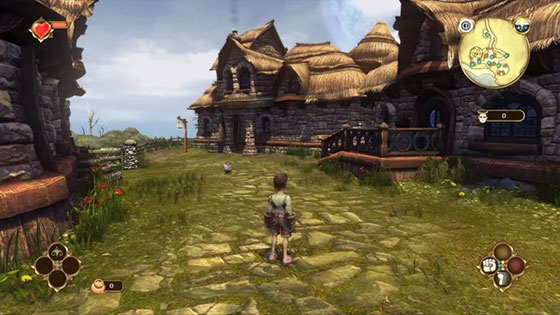
The beloved fantasy franchise Fable is making its return after more than a decade away from the spotlight. Playground Games has been developing the reboot since 2018, and Microsoft recently confirmed a 2026 release window. The announcement has generated considerable excitement among fans who have waited years for news about the series.
Platform availability and industry context
Decisions around account setup and user verification have become important considerations for digital entertainment platforms across multiple sectors. Online operators handling game distribution often implement varying levels of identity checks before allowing access to content libraries and services. Similar operational patterns appear in gaming platforms, including no verification online casinos, where streamlined registration processes reduce friction between users and content. Automated systems assess risk profiles without manual documentation review in many cases. Speed and convenience often determine which platform operators attract the most active user bases in competitive digital markets.
Fable will launch on Xbox Series consoles and PC through Windows and Steam. The game will be available on Game Pass from day one, following Microsoft’s strategy for first-party titles. This approach gives subscribers immediate access without additional purchase, potentially expanding the player base significantly.
No PlayStation version has been announced, keeping the title exclusive to Microsoft platforms. This exclusivity aims to drive hardware and subscription sales while strengthening the Xbox ecosystem. Cloud gaming through Xbox Cloud Gaming will allow players to experience Fable on mobile devices and other screens.
Gameplay elements and mechanics
The new Fable promises to retain the quirky charm that defined earlier entries while introducing modern gameplay systems. Players will once again explore the fictional land of Albion, making moral choices that shape both their character and the world around them. The game combines action combat with role-playing elements and a distinctive British sense of humour.
Character customisation appears more detailed than previous versions. Early footage suggests players can modify appearance, clothing, and combat style with considerable freedom. The ageing system that affected characters over time may return in some form, though developers have not confirmed specific details about this mechanic.
Combat mechanics seem to blend melee weapons, ranged attacks, and magical abilities. The developers have hinted at a more refined fighting system that responds to player choices throughout the adventure. Environmental interactions also play a larger role, with destructible objects and reactive scenery affecting battles.
Visual design and technical approach
Playground Games has leveraged the ForzaTech engine to create a visually striking interpretation of Albion. The engine, typically used for racing games, has been extensively modified to handle open-world fantasy environments. Early trailers showcase lush forests, detailed villages, and atmospheric lighting that bring the setting to life.
The art direction balances realism with stylised fantasy elements. Character models display expressive faces and detailed costumes that reflect the whimsical tone of the series. Creatures range from familiar fantasy staples to more unusual designs that fit the Fable universe’s eccentric personality.
Performance targets remain somewhat unclear, though the game is expected to run at high frame rates on current hardware. The development team has emphasised creating a responsive experience that maintains visual fidelity. Dynamic weather systems and day-night cycles add layers of atmosphere to exploration.
Story direction and setting
Plot details remain carefully guarded, but the game appears to function as a fresh starting point rather than a direct sequel. The narrative takes place in Albion during an earlier era, allowing new players to jump in without prior knowledge. Returning fans may recognise locations and lore references woven throughout.
The hero’s journey involves classic themes of good versus evil, though the series’ trademark moral ambiguity complicates simple categorisation. Player decisions influence reputation, relationships, and even physical appearance. The butterfly effect of choices creates multiple paths through the story with varying consequences. Supporting characters bring personality to the adventure through voice acting and scripted interactions. Companions may join the hero on quests, each with distinct abilities and story arcs. Romance options have been a series staple and will likely return in some capacity.
Development history and studio background
Playground Games earned recognition for the Forza Horizon series before taking on Fable. The studio’s expertise in creating expansive open worlds with seamless exploration made them a logical choice for the project. Microsoft entrusted them with reviving the dormant franchise in 2018.
Original Fable creator Peter Molyneux is not involved with the reboot. Lionhead Studios, which developed the first three games, closed in 2016. Playground has assembled a team that includes veterans from various role-playing game backgrounds to capture the essence of Fable while building something new.
The lengthy development cycle reflects the ambition behind the project. Building new systems and adapting the ForzaTech engine for fantasy gameplay required significant time and resources. Microsoft has supported the studio with patience, understanding that quality takes precedence over rushing to market.
Multiplayer and social features
The original Fable games featured limited multiplayer options in later entries. The reboot’s approach to cooperative or competitive play remains unclear. Developers have focused marketing on the single-player experience, suggesting that shared gameplay may be minimal or absent at launch.
Social features might include sharing screenshots, comparing character builds, or displaying achievements. These lighter integrations allow players to engage with the community without fundamentally changing the solo adventure. Some fans prefer this approach, valuing the personal story over forced multiplayer components. Future updates could introduce cooperative quests or challenge modes after release. Many modern games adopt this strategy, launching with core content before expanding social features based on player feedback. The flexibility of post-launch support enables developers to respond to community preferences.