
‘This Book is All Elite’ Book Review
Written by Keith Elliot Greenberg | Published by Random House
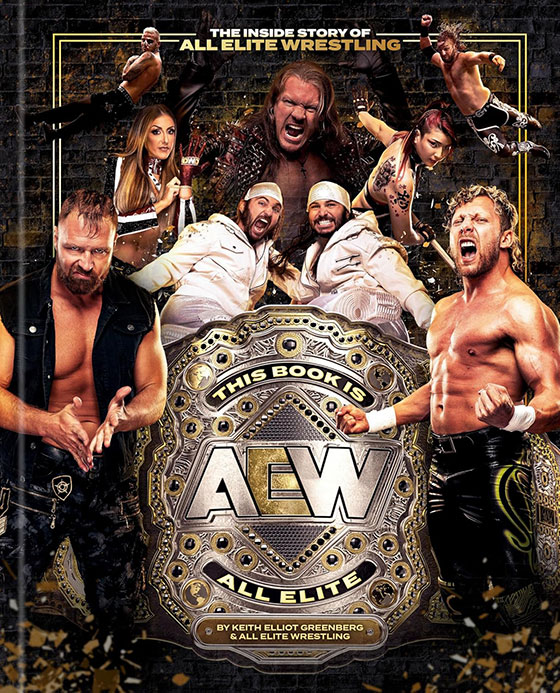
When All Elite Wrestling (AEW) launched in 2019, few could have predicted how profoundly it would alter the landscape of professional wrestling. This Book Is All Elite captures that transformative journey with the same energy that defined AEW’s rise. Blending stunning photography, insider commentary, and a sense of wonder at what the company achieved in just five years, the book is both a celebration and a chronicle of a true wrestling revolution.
Written with full cooperation from AEW’s roster and creative team, the book feels more like an official time capsule than a simple retrospective. It opens by placing readers right at the start – the era when a handful of independent wrestlers put on a showcase of their talents, All In, watched by one Tony Khan – who would then, alongside the Young Bucks and Cody Rhodes, spearhead a new wrestling company. One who dared to challenge the monolithic grip of WWE. What follows is a dynamic, chapter-by-chapter tour through AEW’s evolution: from its humble press conference beginnings to its blockbuster events like Double or Nothing, All In, and the record-breaking Wembley Stadium show.
What makes This Book Is All Elite stand out is its ability to balance spectacle with sincerity. It doesn’t just rehash match results or business milestones. Instead, it digs into AEW’s core philosophy, its “inclusive ethos,” its storytelling experimentation, and its willingness to put creative control back into the hands of wrestlers. Through interviews and behind-the-scenes anecdotes, readers get an intimate look at how the company’s culture of collaboration helped stars like Kenny Omega, Jon Moxley, Britt Baker, and MJF thrive in ways that felt artistically authentic.
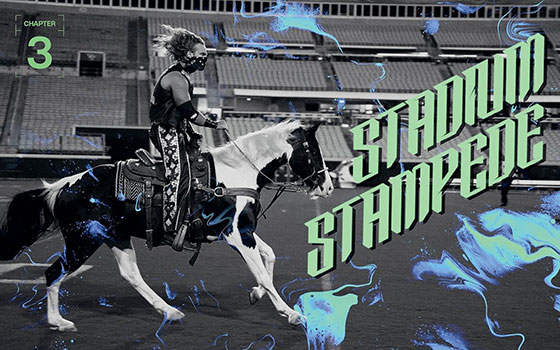
Visually, the book is nothing short of stunning. The photography is as kinetic as the matches themselves – bodies suspended mid-air, faces drenched in passion, and moments of triumph frozen in time. From Sting’s poignant final run alongside Darby Allin (which is easily the best part of the book IMHO) to the chaotic fun of the first Stadium Stampede, the imagery tells a story of constant motion, creativity, and evolution. Fans will find themselves pausing on nearly every page to soak in the artistry and emotion captured through the lens.
Beyond the visuals, the writing is equally engaging. The tone strikes a perfect balance between journalistic overview and fan-fueled enthusiasm – reminding me very much of the same enthusiasm that came when the original press conference, introducing numerous stars who would appear for the company, first took place. There’s reverence here for AEW’s rebellious spirit, but also reflection on its growing pains and bold gambles (for example it does mention THAT failed pyro in 2021). The book also acknowledges how AEW redefined what a major wrestling promotion could look like in the 21st century – diverse, daring, and unafraid to merge nostalgia with innovation.
One of the book’s most fascinating aspects is how it contextualises AEW’s journey within wrestling’s broader history. It makes clear that this isn’t just the story of one company’s success – it’s the story of a movement. AEW gave voice to wrestlers who wanted more creative freedom and wrestlers who hadn’t had a chance to showcase themselves on a large scale – like Britt Baker, Wardlow, Anna Jay and MJF – all of whom give us insight into what AEW means to them and their careers; and to fans – like myself – who craved an alternative to the corporate polish that had come to define mainstream wrestling. In doing so, it rekindled something essential: the feeling that professional wrestling could once again surprise, shock, and inspire.
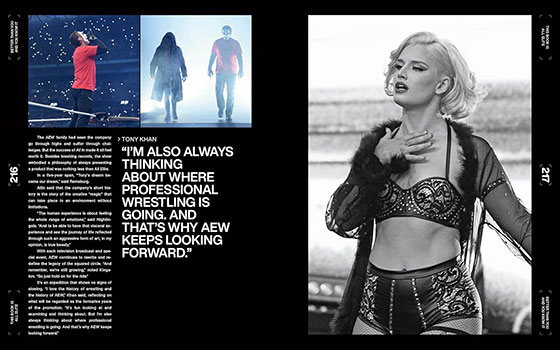
If there’s any minor critique, it’s that the book occasionally leans toward celebration over introspection. Readers looking for hard-edged criticism or analysis of AEW’s controversies might find it a bit glossy. But given its official nature, that’s to be expected, and it doesn’t detract from the sheer joy of revisiting AEW’s most iconic moments. Fans who’ve been with the company since day one might think they know it all too – especially in this era of social media, dirt sheets, etc. – but beneath the “isn’t AEW great” ethos of the book, there’s still some surprising stories of individuals that we, well I, didn’t know. And it’s those insights, those anecdotes that really make this a worthwhile read.
Ultimately, This Book Is All Elite is not just for the die-hard fan. It’s for anyone who loves stories of innovation and resilience. It’s about how a small group of wrestlers believed they could change the game, and actually did. Much like AEW itself, the book bursts with passion, authenticity, and a clear love for the art form it celebrates.
***** 5/5
A must-own for wrestling fans, This Book Is All Elite is both a visual masterpiece and a fantastic chronicle of AEW’s first five years – order your copy on Amazon now.