How Stardew Valley and Celeste Are Driving the Popularity of Microtransaction-Free Games on PC and Mobile
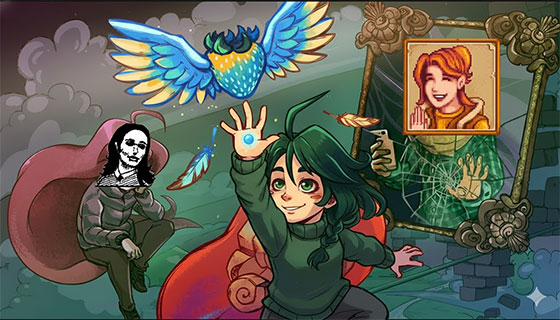
Free-to-play (F2P) games that let you buy things in the app and make small payments over and over again have taken over mobile gaming. In this economy, making money is more important than making players happy. High-quality, expensive games that allow you to buy everything are fueling a big countertrend. Long-running, successful independent games like Stardew Valley and Celeste illustrate that customers demand straightforward, microtransaction-free enjoyment on all platforms.
The Growth of Gaming Without Microtransactions
The shift to premium games suggests that players are getting bored with not knowing how to generate money. Players increasingly demand games where design is everything. These commercial games demonstrate that developers prioritize content and bug patches over profit. Customers will pay more for a mobile app with a lot of content, even if it costs as much as a low-tier console game, as Stardew Valley shows. Celeste’s critical and financial success proved that skill-and-narrative platformers can do well in both infinite runs and competitive free-to-play. These games are both a standard for quality and a clear option over the IAP economy.
Why Players Like Buying Everything
The main benefit of a full-purchase approach is that it clearly defines the scope and guarantees access. Free-to-play games often have energy systems that block progress or pay-to-win procedures that make it easier to win. Premium games, on the other hand, make sure that all material is only available through playing the game. This focus on talent and exploration instead of money keeps the main challenge and reward loop going. For example, Celeste’s emotive story and design are based on the game’s hard difficulty, which makes you feel good when you finally beat it. If there were a microtransaction that let you skip hard screens or obtain more dashes, the whole point of the game would be lost. This simple design is perfect for experienced players who seek a smooth experience without any distractions. These games have been popular for a long time, which suggests that many people still prefer a physical product to a service model that evolves.
Similarities in Instant-Access Digital Entertainment
The success of the single-purchase model shows that many people prefer digital entertainment that is easy to find and doesn’t cause any problems. Customers like being able to rapidly get into a proven, high-quality service without having to deal with complicated payment systems, sign-ups, or constant ads. This low-barrier method goes beyond just the video gaming business. In the larger casual digital arena, platforms that make it easier to find and access a wide range of entertainment also appeal to this need for instant usefulness. Just like premium games let you instantly access a full library of content, platforms like Vegasslots online show how users are looking for easy-to-access digital entertainment that doesn’t require complicated downloads or long onboarding processes. These platforms offer a huge selection of casual games and experiences right away. In a fragmented digital economy, information quality and accessibility are still most important for user engagement.
Effect on the PC and mobile markets
These games affect each platform differently. Popular PC games without microtransactions indicate that the platform supports high-quality, creator-driven content. The PC market doesn’t have many limits on console certification, so developers can set their own terms. This shows that strong sales are possible only by giving customers a lot of value for their money. On mobile, the effect is probably even bigger. As a high-priced mobile game, Stardew Valley was a big hit, showing that a lot of mobile users are prepared to pay for a full experience instead of playing free games. This puts pressure on the market to offer a wider range of products and gives indie developers a strong proof-of-concept for how to bring their high-quality work to mobile without compromising their design principles to fit the F2P model.
Getting Involved in the Community without Paying Barriers
The premium model also has the important benefit of creating a certain kind of community. Since everyone has the same fundamental game, group activities stop being about talking about how well things work and start being about making things, finding new strategies, and sharing what they like. This has led to a robust modding community, elaborate wikis, and lengthy instructions for Stardew Valley, all based on the game’s free, huge content releases. High-quality game developers give players free significant content updates after they buy the game to maintain this strong relationship. This conduct displays a long-term commitment to players, which creates goodwill and ensures their games last longer and make more money.