Why Nerds Love Card Games (And It’s Not Just the Strategy)
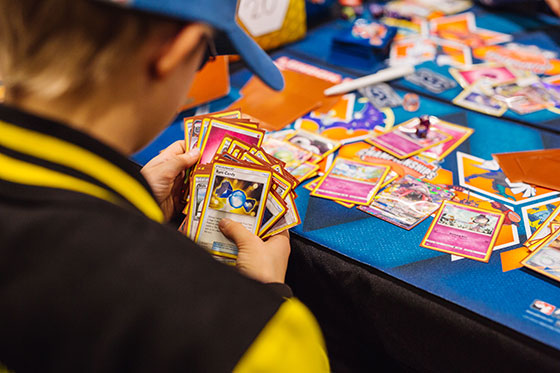
There’s something about card games that exudes cool, calm control. Whether it’s James Bond dealing under pressure in Casino Royale or high-stakes geniuses calculating odds in 21, the cultural image of card mastery is one of precision, wit, and success. That makes them a perfect match for a setting like online casinos, where understanding the rhythm of a game and knowing when to play your hand can feel like unlocking a code in real-time. But for nerds, the appeal runs deeper than the glamorised image of casino tables and slick moves.
What really draws nerds in is the structure, the logic, and the endless opportunities for mastery. It’s the mechanics behind the magic. Card games offer the kind of complex systems, creative expression, and reward loops that align perfectly with nerd culture—from the tactical depth of turn-based RPGs to the deep lore of fantasy universes. Let’s break it down.
The Rules Are a System
There’s a thing we all know about the nerd culture, whether we feel we belong to it or sit just at the outskirts of it. The nerdification of the world relies solely on systematic patterns and responses. With systems and rules, there is no possibility for the nerd culture to develop and to grow as much as it’s grown!).
Ultimately, nerds are naturally drawn to systems—rules that make sense, patterns to uncover, mechanics to learn and exploit. And that’s exactly what card games offer. Strip away the bluffing and luck, which not all card games have, and you’re left with an elegant structure of probabilities, permutations, and game states. Understanding the difference between a flush and a full house in poker isn’t just trivia—it’s learning how to read a system and make it work for you.
Besides, if we get quite pragmatic about it, famous poker heads like Victoria Coren Mitchell do not win by chance. They understand the system underneath the game.
For anyone who loves tinkering with code, optimising loadouts in a video game, or building efficient board game strategies, the logic of card games hits the same dopamine trigger. You can break them down, memorise them, and test your theories—all without needing a full gaming rig or a DM on call.
Card Games Reward Strategy and Patience
Unlike twitchy shooters or real-time multiplayer chaos, card games aren’t about reflexes. They’re about reading the room, biding your time, and making the right move when the moment strikes. That kind of gameplay is ideal for anyone who prefers methodical thinking over fast reactions—especially fans of turn-based games like XCOM, Fire Emblem, or even Final Fantasy Tactics.
It’s not just about winning—it’s about the satisfaction of seeing your plan unfold exactly as intended. Even games that appear simple on the surface, like Snap or Uno, can take on deeper layers of tactics when played with seasoned friends. Nerds don’t just want to play—they want to figure out the best way to play.
You Can Play Them Solo, Socially, or Online
Flexibility is another reason card games stay in the nerdy hall of fame. They’re just as effective for solo brain workouts as they are for long game nights with friends—or late-night online sessions. Whether you’re decompressing after a long day or craving a low-pressure social hang, there’s a card game that fits the mood.
For example, you can revisit classics like hearts online any time—whether you’re in the mood to chill or sharpen your competitive edge. There’s no barrier to entry, no long setup time, and no judgment if you’re playing in pyjamas. And for those who are into more experimental formats, there are plenty of hybrid card games that blur the line between solo play, narrative experience, and strategic challenge.
The Theme and Lore Potential is Huge
If you’re the kind of person who reads the item descriptions in Dark Souls or can recite the backstory of every Magic: The Gathering card you own, then thematic depth matters. And card games—especially trading card games—can be an immersive narrative experience.
From fantasy and sci-fi to horror and anime, card games can serve as rich world-building platforms. Think Gwent in The Witcher, Triple Triad in Final Fantasy VIII, or even Netrunner for the cyberpunk enthusiasts. The idea of building a deck that not only works well but also tells a story or expresses a theme taps into the same instinct that fuels tabletop RPGs, fan fiction, and lore-deep wiki spirals.
They’ve Got Real Pop Culture Cred
Card games have had serious screen time over the years. From Star Wars’ sabacc tables to Yu-Gi-Oh! duels to the con-artist brilliance of Now You See Me, card games carry a sense of mystique and mastery that nerds are hardwired to appreciate. Even non-traditional formats like Slay the Spire or Inscryption have brought card mechanics into the gaming mainstream with a distinctly geeky twist.
Owning a deck, knowing the rules, and having favourite games becomes a kind of nerdy shorthand. It’s a shared cultural reference that instantly connects you to others in the know. Whether you’re playing casually or deep in the metagame, card gaming gives you access to a kind of unspoken club—complete with its own memes, rivalries, and lore.
The Customisation Factor is Strong
Nerds love to tweak things. Whether it’s modding a game, customising a PC build, or homebrewing a D&D setting, the urge to personalise is strong. Card games offer that same creative outlet through deck building, house rules, and even visual design.
Building a Magic deck, for instance, is as much about personal taste as it is about strategy. You’re crafting something unique—part puzzle, part identity. Even non-trading card games can be modded, themed, or reimagined with a nerdy twist. The process of testing, iterating, and refining a deck is incredibly satisfying and mirrors the same loop we see in gaming, coding, and even cosplay.
There’s a Collectible Aspect (and That’s a Bit Addictive)
Let’s be honest—many nerds are collectors at heart. We love things in sets: complete comic runs, full amiibo lines, limited-edition box sets. Card games slot perfectly into this mindset. Whether it’s vintage playing cards, rare Magic foils, or quirky promo decks from conventions, collecting is part of the fun.
And it’s not just about owning them—it’s about curating them. Deck building becomes an extension of your collection, and showing off a rare card feels like flashing your best loot drop in an MMO. For those who grew up with Pokémon or Panini sticker books, the appeal of a good ol’ collectible card hasn’t worn off—it’s just evolved.
They Scratch the Same Itch as Coding or Level Grinding
Card games are often about optimisation. You try something, it works (or it doesn’t), you tweak, and try again. That repetitive improvement cycle feels very similar to coding, level grinding in JRPGs, or even achievement hunting. You do a thing, see the outcome, and learn how to do it better.
There’s also a quiet comfort in the ritual of play—shuffle, draw, calculate, repeat. For a nerdy mind that thrives on structure, it’s meditative in the best way. And when a strategy finally clicks and starts to win consistently? That’s pure serotonin.
Card games offer the full package for the nerdy mind: structure, strategy, storytelling, collectability, and customisation. They tap into our love for deep systems, rewarding patience and logic while offering just enough randomness to keep things spicy. Whether you’re a solo strategist, a lore obsessive, or just someone who enjoys a good meta-game, there’s a card game out there that’s tailor-made for you.
So next time someone tries to tell you card games are just for casinos or casuals, deal them in and show them what real nerd fun looks like.