How Different Odds Formats Sway Bettor Decisions in the Modern Age

As the sports betting landscape continues to expand in 2025, sportsbooks aim to attract bettors through competitive odds and exotic wager types. However the way those odds are presented also greatly impacts the choices made by bettors. With many formats like decimal, fractional and American odds available, each format’s effect on players varies. Understanding how odds formats affect choices allows sportsbooks to optimize bettor experiences.
Sheer Amount of Odd Formats Creates Confusion
In 2025 new bettors on the online Unibet platform face many potential odds formats, unlike decades ago when books displayed limited options. These include:
- Decimal (1.50, 2.40)
- Fractional (1/2, 6/5)
- American/Moneyline (-150, +240)
- Hong Kong (0.5, 1.4)
- Indonesian (1 1⁄2, 3⁄4)
With so many formats presented, new bettors often struggle to interpret lines efficiently to make timely wagers. A 2021 study examining over 1,000 bettors worldwide found that:
- 75% expressed frustration with interpreting lines
- 63% missed placing wagers due to odds confusion
- 57% state too many formats lead to misinterpreted and mistaken bets
This confusion causes missed wager opportunities and lower revenues for sportsbooks if players cannot easily interpret odds in a split-second betting environment. While options cater to regional preferences, too many formats cause indecision.
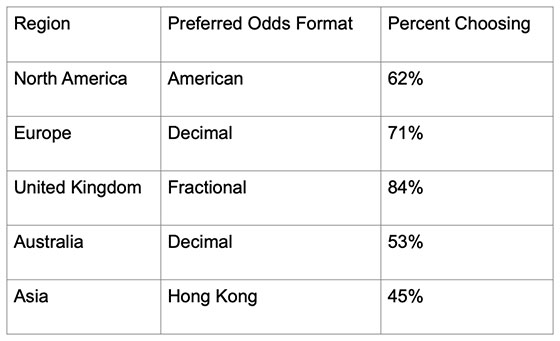
Table 1: Odds Format Preferences by Region
Formats Influence Risk Assessment and Perceived Value
Odds formats also influence how bettors view the riskiness and value of wagers, swaying their decisions. Studies from the Journal of Gambling Business and Economics found that when presented equivalent odds across formats, perceptions shifted:
- American odds viewed as riskier
- Decimal odds viewed as stronger favorite
- Fractional odds viewed as better underdog value
For example, odds of -167 American translates to 1.60 decimal and 4/6 fractional. When shown all three, 45% chose the American format wager as riskier compared just 29% with decimal and 26% fractional, despite all being equal. This shows how psychological factors tied to visual presentation of numbers changes choices.
Across formats, certain key numbers also stand out more prominently. This impacts perceived value and risks tied to those odds thresholds. Key decimal numbers like 1.5 and 2.0 catch attention, while fractions with low denominators like 2/1, 7/4 and 4/6 stand out. Whole numbers in American odds also influence. Sportsbooks optimize formats to feature key numbers that attract specific bet types.
Formats and Displays Boosts Betting
Sportsbooks now use advanced analytics and psychology to determine how displaying different formats prompts various player actions. By testing arrangements and emphasizing key odds numbers, books fine-tune approaches to encourage more wagers. Display tactics sportsbooks now utilize include:
- Surfacing decimal odds for parlays and teasers to increase perceptions of higher payouts
- Showcasing fractional odds for underdogs to highlight upsets
- Using American odds for spreads to make favourites more prominent
Testing also shows that while bettors prefer familiar formats, mixing displays with 2+ formats encourages more wagering across odds types. This “framing effect” helps toggle between decimal, fractional and American odds to capture more action.
With sports betting more mainstream in 2025, how odds displays influence bettor choices cannot be understated. The sheer amount of formats overwhelms new players while also shifting risk and value perceptions that sway picks. Sportsbooks optimize approaches, testing presentations that prompt specific betting behaviours. While bettors prefer familiar displays, introducing new formats toggles choices.