What’s Different About Trade Show Stands in Las Vegas?
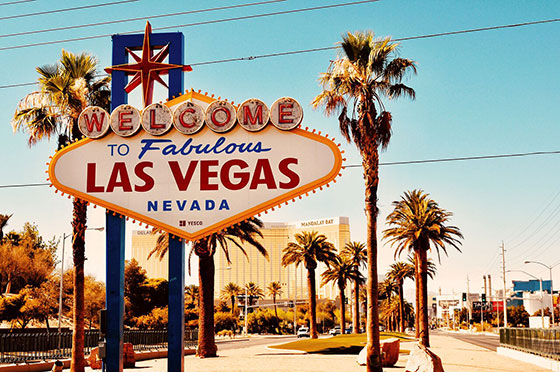
Las Vegas is one of the most demanding exhibition markets in the United States. Operational pressure increases because venues often host multiple large events at the same time, which creates different challenges from their regular operations. Companies entering this market need to understand how design, logistics, labor, and decision-making change when shows are built at volume and speed. This applies to both first-time exhibitors and established brands that regularly work with an exhibition stand design company in Las Vegas.
Why Las Vegas builds feel more intense than other cities
Trade show stands Las Vegas projects move faster and allow less margin for error than builds in most U.S. convention markets. Multiple large events often share the same load-in days, crews, and docks. Faster schedules, tighter dock windows, and less room for delays define the baseline. Venues enforce strict move-in and move-out times, and late arrivals can push installations into premium labor hours. A stand builder in Las Vegas typically plans backward from dock time rather than from design approval. On busy weeks, “last-minute” becomes the default. Even well-planned projects face late graphics, revised product lists, or adjusted footprints. Exhibition stand builders in Las Vegas expect this behavior and price labor and supervision accordingly.
Venue rules, labor, and approvals you can’t ignore
Las Vegas venues operate under union regulations and facility-specific rules that directly affect stand construction in Las Vegas. Typical labor setups make install-hour planning critical because exhibitors cannot freely assemble booths themselves beyond minor tasks. Electrical, rigging, and material handling are assigned to approved providers. An exhibition stand contractor in Las Vegas usually coordinates these scopes, but still requires early exhibitor decisions. Rigging, electrical, and hanging sign approvals follow fixed submission deadlines. Missed approvals can force redesigns or removal of overhead elements. Paperwork timing affects the build day more than design creativity. Common paperwork deadlines include certificates of insurance, labor work orders, and material handling forms. Missing one document can delay the release or delivery from the marshaling yard.
Design choices that work better for Vegas traffic
Design in Las Vegas must address speed, density, and visibility. The first three seconds from the aisle are critical. Structures must communicate branding clearly and immediately without relying on long messaging. Demo zones, meeting space, and storage must coexist without blocking flow. Overcrowded interiors reduce dwell time and staff effectiveness. Exhibition stand design companies often reduce enclosed areas compared to other cities. Lighting and materials must convey a premium appearance under bright exhibition halls. Gloss finishes, weak LEDs, and dark graphics tend to fail visually in large venues. Design priorities commonly used in Las Vegas builds:
- elevated branding readable at a distance
- open corners to absorb aisle traffic
- integrated storage to avoid clutter
- lighting layered for product and signage
Logistics, shipping, and onsite coordination in Vegas
Marshaling yards, advanced warehouses, and delivery slots define logistics planning. Freight rarely goes directly to the booth. Missing assigned delivery windows results in waiting fees and delayed installation. Packing and labeling must support fast assembly. Components should be grouped by install sequence, not by fabrication type. This approach reduces labor hours and errors during stand construction in Las Vegas. Contingency planning is standard. Replacement graphics, spare hardware, and local print options are often pre-arranged by an exhibition stand contractor in Las Vegas to avoid downtime.
How to avoid Vegas “panic spend” and last-minute fixes
Avoiding rush costs depends on locking in decisions early. Structural design, hanging sign specs, electrical loads, and flooring choices should be finalized before the show services deadlines. A short on-site spare kit often saves the build. This includes extra graphics, power strips, fasteners, and touch-up materials. Decision authority during the show week must be clear. Delays increase labor hours and create compounding costs. Elements that should be locked early:
- Structural drawings and engineering
- Hanging sign dimensions and weights
- Electrical plans and lighting counts
- Freight arrival method and timing
Clear roles, realistic schedules, and experienced exhibition stand builders in Las Vegas reduce risk. The market rewards preparation and penalizes indecision.