Cost Of Living Crisis In Scotland
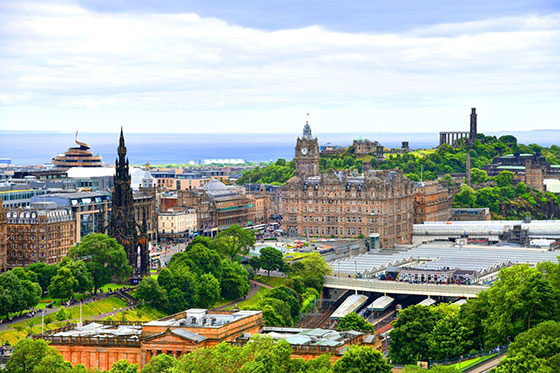
The cost-of-living crisis has become one of the defining challenges facing Scotland today. Across cities, towns, and rural communities, households are struggling to keep pace with rising prices and shrinking budgets. Everyday essentials now take up a much larger share of income than they did only a few years ago. For many people, managing money has become a daily source of anxiety rather than a routine task. Understanding how this crisis developed and how it shapes daily life helps explain why it has become such an urgent social and political issue across the country.
Rising Energy and Household Bills
One of the strongest pressures comes from the sharp increase in energy costs. Heating homes has become far more expensive, especially during colder months when demand rises. Many families now face difficult choices between staying warm and cutting back on other needs.
Electricity and gas prices have increased faster than wages, placing a strain on pensioners, families, and people on fixed incomes. This problem is particularly severe in rural areas where homes may rely on less efficient systems and alternative fuels that cost more to maintain and replace.
Food Prices, Housing Costs, and Everyday Spending
Food prices have also climbed steadily, affecting almost every household. Items that were once affordable now make a noticeable difference to weekly budgets. Families are changing shopping habits, planning meals more carefully, and reducing non-essential purchases.
The rising cost of fresh produce and staple goods has made it harder to maintain healthy diets; for many people, the weekly shop has become an exercise in compromise and calculation. Over time, these small adjustments reduce comfort and limit choices in everyday life.
Housing plays a central role in the cost-of-living crisis, as rents have increased across much of Scotland, particularly in cities where demand continues to grow. Many private renters face regular rises that exceed wage growth, making it harder to save or plan ahead. Homeowners with mortgages have also been affected by higher interest rates, which increase monthly payments. For young adults, families, and lower-income households, finding stable and affordable housing has become one of the most difficult challenges in modern Scottish life.
Impact on Work and Income
While some wages have increased, earnings have not matched the pace of rising living costs. Many workers now find that their income stretches less far than it once did. This gap forces people to reduce savings, rely on credit, or take on extra work, some people try matched betting. Those in less secure jobs or self employed roles are often the most vulnerable, as their income may change while expenses remain fixed. The pressure to remain financially stable has become a constant concern for households across Scotland.
Health and Wellbeing Consequences
The effects of the cost-of-living crisis go beyond money, as financial stress can damage both mental and physical health. Worrying about bills and debt can lead to anxiety, sleep problems, and long-term illness. Some people delay medical care, skip meals, or reduce heating to save money, which worsens existing conditions. The emotional strain of ongoing financial pressure is often hidden but deeply felt, and over time, this strain weakens resilience and increases demand on health and support services.
Government Support and Public Response
Governments have introduced measures to ease the impact of rising costs, including financial help with energy bills, targeted payments for vulnerable households, and changes to benefits. Local councils and charities also provide advice, emergency aid, and community support. While these efforts offer relief, many people feel they are not enough to meet the scale of the problem. Public debate continues about how to provide immediate help while creating long-term stability for households across Scotland.
Community Resilience and Adaptation
Despite the challenges, communities have shown resilience and solidarity. Neighbours support one another through food banks, shared resources, and local projects that reduce waste. People exchange advice on saving energy and managing budgets more effectively. These small actions help ease pressure and strengthen social bonds. Community resilience cannot solve the crisis alone, but it reduces isolation and reminds people that they are not facing these difficulties alone.
The cost-of-living crisis in Scotland is a complex and far-reaching issue that affects every part of society. Rising energy bills, higher food prices, growing housing costs, and slow wage growth have combined to place many households under severe strain.
The consequences are felt not only in finances but also in health, well-being, and community life. While government support and local initiatives provide some relief, lasting solutions are still needed to restore stability. Understanding this crisis is the first step toward building a fairer and more secure future for Scotland.