Geek Chic: Designing a Comic-Book Cafe with Furniture That Speaks to Fans
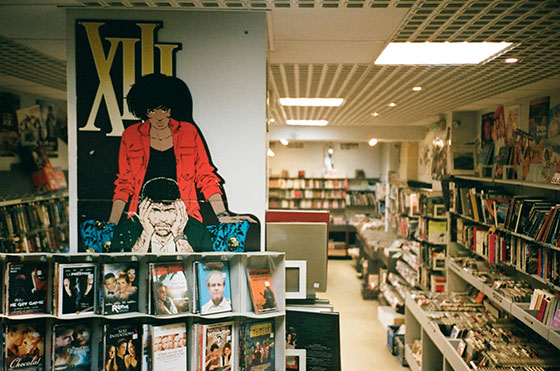
Stepping into a perfectly designed comic-book café is like walking into a panel of your favourite graphic novel. The energy feels familiar, yet magical. Tables shimmer with art from beloved stories, chairs seem to have personalities of their own, and every piece of furniture contributes to a world where fantasy meets comfort. These cafés are more than coffee shops; they are gathering places where nostalgia and creativity blend into something unforgettable.
Across the globe, geek-themed cafés have become symbols of a new kind of cultural expression. They thrive not just on good espresso, but on identity and community. Fans gather to read, share stories, or debate their favourite heroes while surrounded by spaces with restaurant furniture that feels designed just for them. These cafés are also tailor-made for the social media age, where a well-lit corner or photo-worthy detail can draw attention faster than a marketing campaign ever could.
A strong design philosophy guides the most successful examples. Instead of relying solely on posters or figurines, they focus on atmosphere and craftsmanship. The furniture becomes the storyteller. It honours the fans without overwhelming them, weaving together passion and practicality in a way that feels both modern and meaningful.
What is the Geek Chic Aesthetic
Geek chic design is not about turning a café into a fan museum, and unlike your geeky home office setup, it is about subtle storytelling through design choices for everyone, not just you. A polished comic-inspired space blends charm with restraint, showcasing fandom with taste. The result feels sophisticated, playful, and emotionally connected.
Some cafés achieve this balance through creative visual styles. Seoul’s famous Greem Café, for instance, immerses guests in a two-dimensional illusion, with white walls outlined in black ink lines that make visitors feel as if they have stepped into a comic panel. Others embrace the electric energy of pop art, drawing inspiration from the explosive colours and Ben-Day dots that defined mid-century comic art. Industrial and steampunk cafés, by contrast, build atmosphere through textured metals, pipework, and vintage lighting. For those on smaller budgets, upcycling everyday furniture with comic-page decoupage or paint offers an authentic and approachable alternative.
One of the most striking design models remains the 2D Cafe concept. Its hand-drawn optical illusion, achieved through clean lines and minimalist tones, makes the entire interior feel surreal. Guests often describe it as stepping into a cartoon sketch. The design photographs beautifully, creating free promotion on social media. Still, for all its style, designers must remember that warmth and comfort keep customers coming back. Too much minimalism can leave a space feeling flat.
Mapping the Café Zones and Furniture Needs
Every comic-book café succeeds or fails based on how its zones are planned. The counter forms the first impression, signalling both efficiency and imagination. Beyond that, the seating areas should feel like an invitation to stay, whether for a quick drink or a long reading session. Then there are the shelves filled with comics, toys, and memorabilia that give the place its soul. Finally, a flexible community zone opens possibilities for events, from book signings and cosplay workshops to themed trivia nights.
Furniture carries the weight of these experiences. Sturdy tables and chairs handle the traffic of daily use, while soft seating and ergonomic design encourage lingering. Modular pieces can shift to accommodate solo readers, small groups, or large events without disrupting the layout. Clever additions such as built-in display racks or reading tables blend functionality and style, giving fans something to admire as they relax.
Material choice defines character. Warm wood surfaces make the café feel inviting, while metal and resin add futuristic flair. Acrylic tops sealed with printed artwork or resin layers can showcase comic pages beneath a smooth finish. To avoid glare that disturbs reading, matte surfaces work best. Some owners even preserve original comic panels under resin tabletops, turning everyday furniture into collector-worthy art pieces.
Furniture Design Strategies That Speak to Fans
Furniture becomes a language in itself inside a geek chic café. Tables can tell stories when comic panels are embedded beneath glass. Chairs with curved speech-bubble backrests make guests smile, while table legs shaped like ink splashes or lightning bolts bring subtle humour to the scene. Engraved patterns, etched logos, or embossed character silhouettes create instant recognition for devoted fans.
Colour is where mood takes shape. Bold primary tones such as red, blue, and yellow echo the superhero palette of classic comics. In contrast, black and white outlines capture the aesthetic of comic ink art, offering clean lines and dramatic contrast. Lighting should complement this world, with accent LEDs hidden inside furniture bases or glowing from under counters. Speech-bubble lamps and neon-style signage can make the space feel alive without crossing into kitsch.
The smartest cafés also think in layers of function. A bench might hide comic storage drawers, or a coffee table could double as a glass display case. These hybrid designs save space while deepening engagement. Business owners have the freedom to choose between bespoke furniture or clever modifications to existing pieces. Custom-made designs lend uniqueness, but off-the-shelf items can transform with simple touches such as paint, wraps, or decals. Upcycling vintage chairs or side tables by covering them with comic art not only personalises the look but also supports sustainability.
Harmonising Décor, Lighting, and Ambience
Lighting in a comic-themed café should do more than illuminate. It should set the tone and emotion. A mix of ambient light and focused spotlights creates depth, allowing favourite displays or wall art to shine. Backlit silhouettes of heroes or glowing edge lights along shelving bring a subtle cinematic feeling. Diffused lighting keeps glare away from reflective comic covers, letting visitors focus on what matters most: the art.
Walls are blank canvases waiting to be filled with personality. Giant murals that stretch like comic spreads can turn customers into characters within the story. Framed covers or limited-edition prints arranged as gallery walls create a curated and special ambience. For a playful twist, wall decals shaped like sound effects or action lines can animate the background without needing a full renovation.
Textiles soften the boldness of graphic art. Pillows printed with comic panels, rugs with splash motifs, or curtains in strong accent colours balance the visual excitement with comfort. Upholstery choices, smooth vinyls, bright colours, or stitched patterns tie everything together. Even acoustic panels can join the theme if shaped like speech bubbles, adding both design and practicality.
Branding, Merch, and Interaction
In a comic-book café, branding lives on every surface. A signature chair shaped like a famous symbol or a booth inspired by a hero’s colours instantly becomes a talking point. Creating distinct seating zones named after fandoms, such as Manga Corner or Gotham Alley, adds identity and gives visitors favourite spots to return to.
Furniture can also double as a showcase. Tables with transparent tops that display collectable figures or rotating comic shelves connect commerce and creativity. Guests can browse while they sip coffee, discovering new art and stories. The most innovative cafés take this a step further with interactive elements, such as augmented reality designs that bring panels to life when scanned or digital screens hidden inside furniture that play animations and trivia.
A World Built by Fans, for Fans
Every great comic-book café begins with one idea: storytelling through design. Each table, chair, and detail becomes part of that story, inviting fans to feel like they belong inside their favourite worlds. Starting small, with one bold feature such as a themed counter or illustrated table, can shape the entire space. Working with local artists adds authenticity and helps the café grow naturally over time. More than a place to drink coffee, a comic-book café becomes a creative retreat where imagination, art, and community meet.