How Comics Help Readers Process Trauma and Mental Health
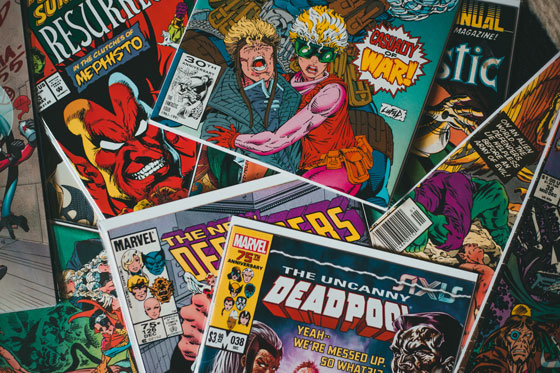
Comics may not be the first thing that comes to mind when someone thinks of solace or diversion during trying times. Many people think of them as light amusement, villainous, or heroic fiction. Comics are increasingly seen as useful tools for exploring mental health and coping with trauma. Readers turn to comics for emotional healing and connection. They seek introspection, just like they might dive into a game or play casino online for relaxation and distraction. Comics, however, provide a deeper degree of storytelling that can strike a deeply personal chord, in contrast to transient entertainment.
The combination of words and images in comics feels direct and approachable. It can be hard or even impossible for someone with deep memories to sit down and read a dense block of material. However, a comic uses a softer pace to draw the reader in. There is room to pause, think, or simply sit quietly in between panels thanks to the harmony of the dialogue and the images. This pacing shows how memory is often broken and nonlinear. It appears in flashes, not in a straight line. This renders the medium remarkably appropriate for encapsulating the texture of trauma.
Art Spiegelman’s Maus, which uses mice and cats to tell the story of Holocaust survival, is among the most potent examples. It’s not just a history lesson. It turns terror, fear, and perseverance into ideas readers can grasp easily. Fun Home by Alison Bechdel performs a similar function, albeit in a completely different register. It explores identity, family, and bereavement in ways that traditional literature frequently finds difficult by fusing humor with grief. These pieces demonstrate how tragedy is not minimized by comics. Rather, they transform it into something that can be confronted, comprehended, and even continued.
Comics are also a mirror for people dealing with mental health issues. Characters who face sorrow, depression, or anxiety help us feel understood. Their struggles make our own feelings less lonely. Graphic memoirs like Keiler Roberts’ Chlorine Gardens and Ellen Forney’s Marbles let readers dive into the true experience of mental illness. Images convey feelings better than words. Sharp lines can express panic attacks, while empty spaces may indicate emotional detachment. These visual cues help readers better grasp their own emotions by giving form to feelings that are frequently hard to express.
Even superhero comics, which are frequently seen as escapist fiction, deal with trauma in addition to memoirs. Batman’s story centers on grief and rage. His character is shaped by the loss he faced as a child. Characters like the X-Men and Jessica Jones face issues of discrimination and abuse. They show resilience in tough situations. These stories give readers space to face worries that may seem too personal. They do this by exaggerating challenges in a fantasy world. The conflicts shown in these pages are a metaphor for the internal conflicts that readers could be going through.
Making comics is therapeutic in addition to being a means of reflection. Comic book illustration can be a kind of narrative therapy for trauma survivors. Breaking traumatic memories into frames, panels, and dialogue helps clarify chaos. Choosing what to highlight, what to leave out, and how to show themselves lets people control their story. This storytelling practice can be very uplifting. It turns victim stories into tales of resilience.
In the end, comics show that traditional treatment or direct communication aren’t always necessary for recovery. Flipping a page quietly, you might see yourself in a panel. In that moment, you realize your story—no matter how messy or painful—belongs in the world of narratives. Comics serve as a reminder that dealing with trauma is about finding a way to recognize, understand, and, over time, heal it rather than deleting it.