Wearable Betting: How Smartwatches and Biometric Sensors Could Redefine Gambling
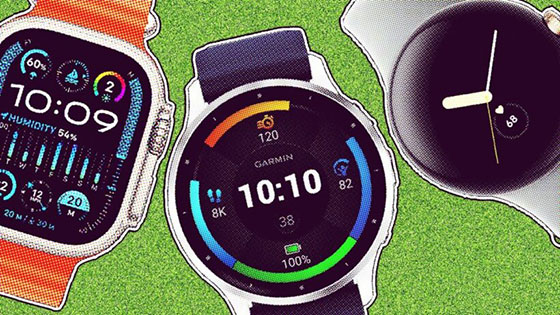
Over the last decade, technology and gambling have already been reshaped dramatically. From online platforms to mobile apps, betting sites without GamStop, and live streams with real-time stats, the player experience has never been more advanced. And yet, we may only be scratching the surface of an even bigger revolution: wearable betting. The concept sounds futuristic – smartwatches, fitness trackers, and smart rings not only tracking your health but also influencing your gambling experience and your odds in real time. But the first outlines of this shift are already visible. In this article, we’ll explore how biometric data such as heart rate, stress, and focus could be used in betting, the potential benefits and risks, and the ethical questions that inevitably follow.
From Step Counters to Betting with Your Heartbeat
Wearables were originally designed as health and lifestyle tools. They track your steps, monitor your sleep, and remind you to move after sitting too long. But the same sensors that track your fitness could also be applied elsewhere. Imagine a scenario where a betting platform doesn’t just analyze live match data, but also your own body data.
- Does your heart rate spike when a penalty is awarded?
- Do you stay calm in high-stakes moments?
- Or do your stress signals reveal that you’re placing bets too impulsively?
These biometric signals could be used to adapt the betting experience, offering warnings, limits, or even customized odds.
Real-Time Adaptation of the Gambling Experience
One of the most intriguing aspects of wearable betting is the possibility of a fully personalized and dynamic experience. Instead of the same odds and notifications for everyone, a platform could monitor your biometric profile and react to it. Some examples:
- Stress monitoring: If your stress levels spike, the system could limit your activity or suggest taking a break.
- Focus detection: When your heartbeat is steady and stress low, the platform could offer more complex bets or quick-fire microbets.
- Engagement boosting: A smartwatch could vibrate subtly when a critical moment occurs in a match, nudging you to place a bet instantly.
It’s a blend of gamification and personalization, where technology taps directly into your body.
Health and Responsibility: A Double-Edged Sword
On the surface, wearable betting could make gambling safer and more responsible. Since physical stress and panic are often measurable before someone becomes aware of their behavior, wearables could detect the early signs of problematic gambling. A platform might then send warnings, set limits, or even block access temporarily. But here’s the paradox: the same data that can protect you could also be used to keep you hooked. If an algorithm learns that your excitement spikes after a loss, it could exploit that to push more bets your way. The key question becomes: who controls the controller?
Wearables Meet Sports Betting
Sports betting is the most obvious starting point for wearable betting. Picture this: you’re betting live during a Champions League match. Your smartwatch detects a sudden heart rate spike when your team earns a corner. The system uses that cue to push a microbet: “Will your team score within the next two minutes?” In this way, your own body becomes part of the betting mechanism. It creates a new loop where your biological reactions drive not just your excitement, but also the betting offers you receive.
Privacy and Ethics: Walking a Thin Line
Once personal health data is involved, privacy and ethics move to the forefront. Heart rate, stress levels, and sleep cycles are extremely sensitive. Who gets to store that data? And for what purpose? The risks are significant:
- Data misuse: Betting platforms could sell or share biometric data with third parties.
- Discrimination: Players with certain physical profiles might be treated differently, perhaps targeted with higher limits or more aggressive promotions.
- Manipulation: Subtle nudges based on stress responses could shape your behavior without you realizing it.
Wearable betting would fall into the same ethical debates we’ve seen around facial recognition or genetic data: innovation vs. exploitation.
Future Outlook: Hype or Lasting Change?
So will wearable betting become a passing trend or a lasting transformation? The technology is already here. Most smartwatches constantly measure heart rate, stress, and even blood oxygen levels. What’s missing is the integration with betting platforms – and clear regulation.
Lawmakers will likely tread carefully. The first experiments may appear in esports or casual betting apps rather than traditional bookmakers. Only if it’s proven that the benefits (responsibility, engagement, personalization) outweigh the risks will the industry move forward on a large scale.
Both an Opportunity and a Warning
Wearable betting opens the door to a new chapter where body and technology merge with gambling. On one hand, it promises greater personalization and early safeguards against problem gambling. On the other, it risks turning players into data-driven engines of engagement, vulnerable to manipulation. What’s certain is that wearable betting isn’t just about innovation. It’s about ethics, privacy, and responsibility. As with every major technological leap in gambling, the balance between opportunity and exploitation will decide whether this remains futuristic speculation or becomes the new normal.