Online Poker vs. D&D: Which Game Truly Tests Your Strategy Skills?
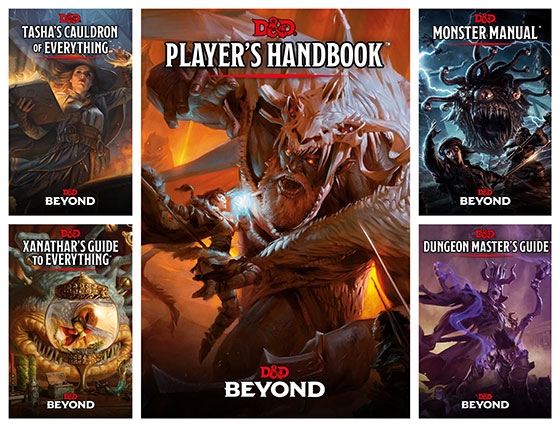
Strategy-based games offer more than just entertainment. They demand the use of analytical reasoning, creativity, social intuition and adaptable thinking. Two standout games in this domain are online poker and Dungeons & Dragons (D&D). At first glance, these games might seem vastly different. One is a competitive card game with real money at stake, the other a cooperative role-playing adventure. Yet both push players to their cognitive limits. What makes these games strategic, and how do they compare when it comes to testing your skills? Let’s explore.
Analytical Thinking and Game Mechanics
Online poker involves constant decision-making based on incomplete information. Players must assess the strength of their hand, anticipate others’ behaviour and calculate probabilities on the fly. The environment is fast-paced, and missteps often carry direct financial consequences. Core strategies revolve around mathematical precision, logical consistency and the ability to manage risk over the long term. This is where games such as online poker excel. A strong understanding of concepts like pot odds and opponent profiling can elevate a casual player to a competitive one. On the other side, D&D offers a broader field of play. The game relies heavily on rules-based mechanics while allowing for almost limitless creative expression. Players must weigh the potential consequences of in-game decisions, interpret detailed scenarios and coordinate with others to reach common objectives. The challenge is often in understanding how to apply character abilities, equipment, and spells in a context that changes from moment to moment.
Risk Management and Decision Pressure
A central difference between these games lies in how risk is presented. Poker players operate in a world of hidden information. Every action by an opponent could be a calculated bluff or a genuine attempt to win. The high-pressure nature of online games means decisions must be made within strict time constraints. This creates a dynamic that rewards those who can remain calm and logically consistent, even under stressful conditions. In D&D, the risk landscape is different. Players work with a visible set of rules and known limitations. There is still uncertainty, mostly through dice rolls or unforeseen actions from the Dungeon Master, but the framework offers more room for discussion and teamwork. Players can spend time weighing options with their group, often planning strategies that account for various outcomes. The in-game consequences may include character death or the failure of a storyline objective, but these stakes remain within the fictional world.
Reading People and Social Interpretation
A hallmark of skilled poker play is the ability to read opponents. In traditional settings, this might involve body language and verbal cues. Online, these indicators are replaced by pattern recognition: how someone bets, how long they take to respond, how they behave when ahead or behind. Players develop mental profiles and modify their play accordingly. Winning often depends on predicting not just cards, but intentions. In D&D, social awareness is equally important, though applied differently. Instead of trying to defeat opponents, players must collaborate. Understanding your party members’ motivations and play styles can influence the success of shared objectives. Similarly, interpreting the Dungeon Master’s tone or narrative choices can help players decide how to approach a challenge. While deception might occur in D&D, especially during roleplay, the overarching aim is cohesion and progress.
Long-Term Strategy Versus Short-Term Tactics
Strategic success in poker often relies on long-term planning. This includes bankroll management, adapting to table dynamics and maintaining consistent decision quality over thousands of hands. Each hand is a short-term event, but outcomes must be evaluated within the context of broader patterns. Serious players treat their performance statistically, using past results to inform future choices. D&D, in contrast, weaves strategy into story development. Players build characters over time, investing in traits, skills and items that shape future gameplay. Strategic thinking involves preparing for what the Dungeon Master might introduce, coordinating with teammates and managing limited resources like spell slots or health. The game rewards foresight but also requires improvisation when plans go awry.
Personality Fit and Cognitive Style
Different players are drawn to different kinds of challenges. Those who enjoy logical puzzles, enjoy high-pressure environments and prefer measurable outcomes may find poker more satisfying. The competitive atmosphere and structured decisions suit a rational and calculated mindset. Conversely, players who thrive in storytelling, imaginative environments and social collaboration may prefer D&D. The open-ended nature of the game allows for creativity, adaptability and an appreciation for group dynamics. Players must work together, not just to overcome obstacles, but to shape the narrative itself. Neither game is inherently more strategic; they simply emphasise different types of strategy. Poker is about optimisation under pressure. D&D is about innovation in a cooperative space. Both require mental agility, and both can lead to personal growth in problem-solving and communication.
Transferable Skills Between Games
It is not uncommon for people to enjoy both games, drawing on complementary skills. Poker players might bring an edge in probability assessment and risk tolerance to D&D scenarios. They may approach uncertain outcomes with confidence and know how to hedge decisions. Meanwhile, D&D veterans often develop strong adaptability and imaginative thinking, which can give them creative approaches to poker strategies. Thinking outside the box or shifting tactics mid-session can be useful in reading unpredictable opponents. Switching between the two games can enhance your overall strategic capability. Each experience builds a different muscle, whether tactical precision or collaborative insight. Recognising the strengths required in each helps sharpen your game across both formats.
Which Game Comes Out on Top?
Choosing between online poker and D&D as the ultimate strategy game is a matter of perspective. Poker offers a thrilling and intellectually demanding outlet if you value measurable progress, individual performance and risk-based reasoning. If your preferences lean toward creative planning, teamwork and immersive storytelling, D&D provides a more expansive mental challenge. Ultimately, both games test strategic thinking in unique and valuable ways. The best choice depends on what kind of challenges you find most rewarding and perhaps, which type of fun pushes your brain to perform at its best.