‘End of the Rope’ VOD Review
Stars: Joseph Gray, Chris Bylsma, Nick Saxton, Joseph Bezenek, Tiffany Cornwell, Megan Hensley, Charles O’Haver, Christine Weber, Vanessa Gamble | Written by Charlie Griak, Daniel Bielinski | Directed by Charlie Griak
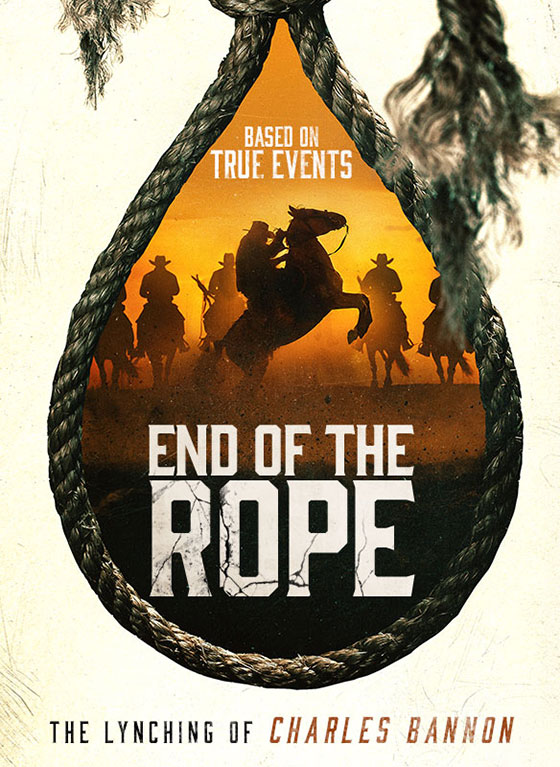
End of the Rope, directed by Charlie Griak (The Center, Nina of the Woods), is a crime mystery film set in 1931 North Dakota. The narrative centres on the sudden disappearance of a family in the small town of Schafer, leading to suspicion falling upon Charles Bannon, a farmhand with a dubious reputation. The film delves into the community’s quest for justice, culminating in the state’s last recorded lynching.
One of the film’s standout features is its commitment to authenticity. The production team utilized historic sites, such as the Schafer Jail and the Fairview Lift Bridge, to ground the story in its true historical context. This attention to detail is evident in the set designs and locations, which effectively transport viewers to the era.
End of the Rope‘s cinematography beautifully highlights the rugged, unforgiving landscape of North Dakota, reinforcing the sense of isolation and struggle that defines the era. Expansive wide shots and natural lighting work together to create an immersive atmosphere, pulling the audience into the stark reality of the 1930s setting.
However, the film’s pacing presents challenges. With a runtime of over two hours, certain scenes feel protracted, potentially testing the audience’s patience. Some sequences could have benefited from tighter editing to maintain narrative momentum. The sound design is another area of concern. There are moments where the background score overwhelms dialogue, making it difficult to discern character interactions. This imbalance can disrupt immersion and may require viewers to adjust audio settings or rely on subtitles.
Character development is a mixed bag. While some characters are richly portrayed, others lack depth, making it challenging to engage with their journeys fully. The film also seeks to add depth to Bannon’s character by weaving in fictional elements to his backstory. While these additions provide nuance and make him a more complex figure, they diverge from historical records, which could affect how the audience perceives the true events (yes, that tagline “Based on True Events” couldn’t be more accurate – based on yes, but exact, no).
Despite these shortcomings, End of the Rope offers a poignant exploration of justice, community, and morality. It sheds light on a lesser-known chapter of American history, prompting reflections on the consequences of mob mentality and the fragility of due process.
Ultimately, End of the Rope is a film with commendable intentions and notable strengths, particularly in its authentic portrayal of 1930s North Dakota. While it grapples with pacing and sound issues, it remains a valuable cinematic endeavour that invites audiences to reflect on historical events and their enduring relevance.
**½ 2.5/5
End of the Rope is out now on digital from High Fliers.